What is Childhood Obesity?
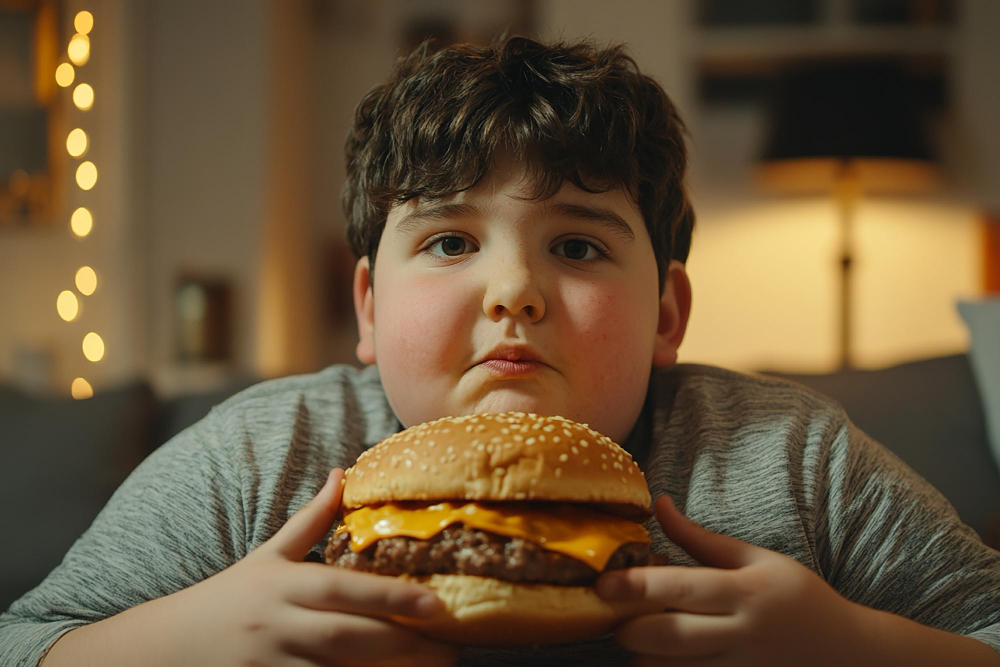
Childhood obesity means a child has too much body fat for their age and height. This condition can affect their health now and in the future. According to the CDC, childhood obesity rates have increased over the past few decades. Early attention to this issue can help prevent serious health problems later in life.
Why Early Attention Matters
Early intervention for childhood obesity is important for many reasons. First, children who are overweight are more likely to stay overweight as adults. Also, early action can help prevent health issues like diabetes and heart disease. When parents and caregivers act early, children have a better chance of growing up healthy. In addition, building healthy habits for kids early on can make a big difference.
Symptoms and Warning Signs
It is not always easy to spot signs of obesity in children. However, some warning signs may include:
If you notice these symptoms, it may be time to talk to a healthcare provider.
Causes and Risk Factors
Many things can lead to childhood obesity. Some common causes and risk factors include:
Because these factors can add up, it is important to address them early.
Diagnosis and Assessment
Doctors use growth charts to check if a child is overweight. They measure height and weight to find the body mass index (BMI). If a child’s BMI is higher than most children of the same age and sex, they may be diagnosed with obesity. Sometimes, doctors may also check for health problems linked to obesity, such as high blood pressure or high cholesterol.
Treatment and Management Options
Treating childhood obesity often means making small, healthy changes. Some helpful steps include:
Sometimes, a doctor may suggest working with a dietitian or joining a local support program. In many cities, community centers offer activities and classes for kids to stay active.
Prevention Tips for Parents and Caregivers
Preventing childhood obesity is easier when families work together. Here are some tips:
Additionally, check if your local community has programs that promote healthy habits for kids. Many schools and parks offer free or low-cost activities.
Long-Term Health Risks
Without early attention, childhood obesity can lead to serious health problems. These may include:
Because these risks can affect a child’s future, it is important to act early.
When to Seek Medical Advice
If you are worried about your child’s weight or health, talk to a pediatrician. Early intervention for childhood obesity can help prevent long-term problems. A doctor can guide you on the best steps for your child’s needs. Remember, every child is different, and a healthcare provider can offer personalized advice.
Consult a pediatrician Dr. Shanmuga Priya A for personalized advice on childhood obesity.