What is Attention Deficit Hyperactivity Disorder (ADHD)?
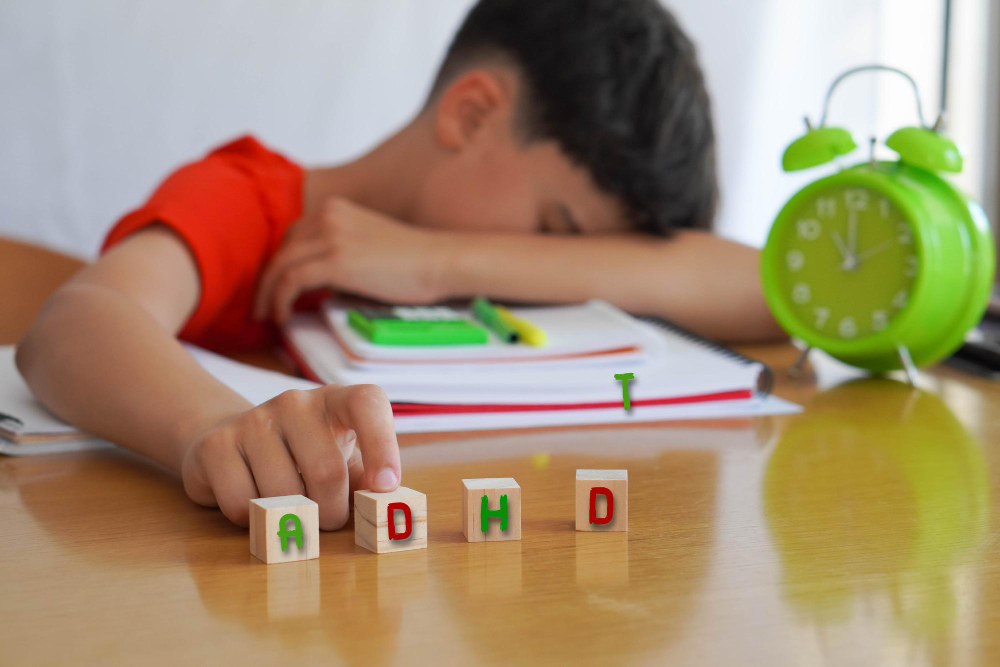
ADHD in children is a common brain condition. It affects how kids pay attention, sit still, and control their actions. However, some children show signs even earlier. While every child can be active or distracted at times, kids with ADHD have more trouble than others their age. This condition can impact learning, friendships, and daily life. For families in any city, understanding ADHD is the first step to helping children thrive.
Common Symptoms of ADHD in Children
Children with ADHD may show different signs. Not every child will have all symptoms. Yet, many share some common features. For example, some kids mainly have trouble paying attention. Others may be more hyperactive or impulsive. Sometimes, both types appear together. Here are some typical childhood ADHD symptoms:
Because symptoms vary, it is important to watch for patterns over time. Early recognition can help children get the support they need.
Causes and Risk Factors of ADHD
Scientists do not know the exact cause of ADHD in children. However, research suggests that several factors may play a role. For instance, genetics seem important. If a parent or sibling has ADHD, a child is more likely to have it too. In addition, other possible risk factors include:
Although parenting style does not cause ADHD, a supportive home can help manage symptoms. Early understanding of these risk factors may help families seek help sooner.
How ADHD is Diagnosed in Children
The ADHD diagnosis process involves several steps. Usually, a doctor or mental health expert will talk with parents, teachers, and the child. They look for patterns of symptoms over at least six months. In many cases, doctors use checklists or rating scales. These tools help compare a child’s behavior to others the same age. Additionally, the doctor may rule out other causes, like hearing or vision problems. No single test can confirm ADHD. Instead, diagnosis is based on careful review of symptoms and history. Early and accurate diagnosis can lead to better care for children.
Treatment Options for ADHD
ADHD treatment for kids often includes more than one approach. While medicine can help many children, it is not the only option. For example, behavior therapy teaches kids and families new ways to manage actions. Doctors may also suggest changes at school or home. Common treatments include:
Because every child is different, doctors work with families to find the best plan. Regular check-ins help track progress and adjust treatment as needed.
Lifestyle Tips and Support for Families
Living with ADHD in children can be challenging, but support makes a big difference. For instance, setting clear routines helps children know what to expect. In addition, breaking tasks into small steps can make them easier to finish. Families may also find these tips helpful:
Because every family is unique, finding what works best may take time. However, small changes can lead to big improvements in daily life.
Preventive Strategies and Early Intervention
While there is no sure way to prevent ADHD, early steps can help. For example, avoiding tobacco, alcohol, and drugs during pregnancy lowers risk. Regular prenatal care also supports healthy brain growth. After birth, reducing lead exposure and treating health problems quickly can help. In addition, watching for early signs of ADHD in children means families can get help sooner. Early intervention often leads to better outcomes at home and school. Working with doctors, teachers, and counselors gives children the best chance to succeed.
Conclusion:
ADHD is a neurodevelopmental condition that can affect attention, activity levels, and behaviour in children. Recognising early signs and seeking professional guidance can help children receive the right support, develop coping skills, and improve their learning and daily experiences.
Concerned about your child’s attention, behaviour, or development?
Consult Dr. Shanmuga Priya A for expert evaluation and personalised guidance for your child’s needs.