
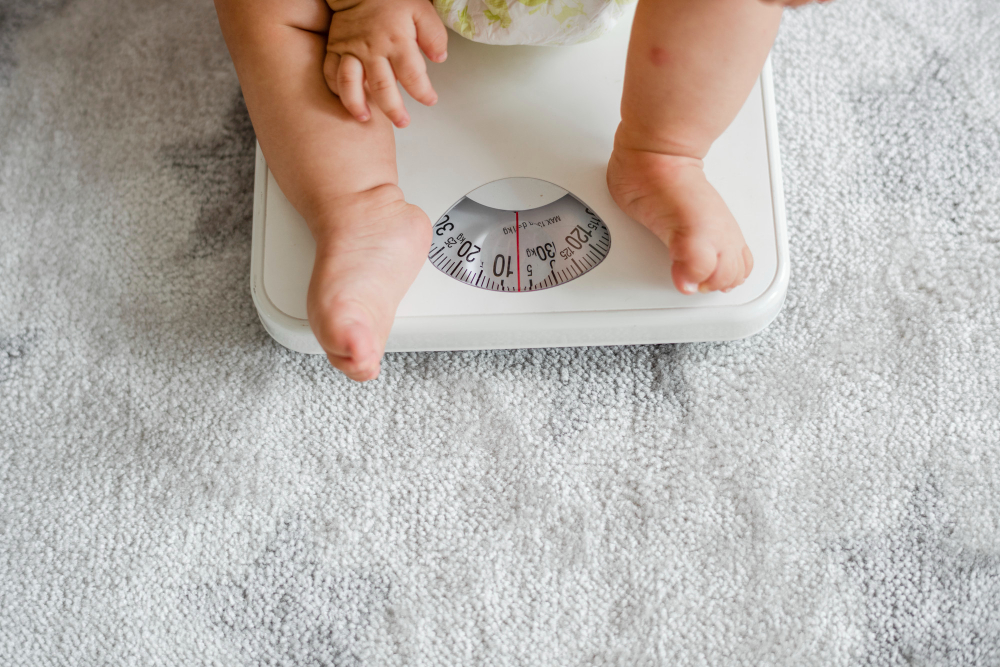
What Is Poor Weight Gain in Children?
Poor weight gain in children means a child is not gaining weight as expected for their age. Sometimes, this is called “failure to thrive.” For many parents, seeing a child not gaining weight can be worrying. Growth charts help doctors track a child’s progress over time. If a child falls below the normal range, it may signal a problem. However, some children are naturally smaller than others. Still, steady growth is important for health and development. According to the World Health Organization (WHO), regular growth checks are key for spotting pediatric growth concerns early.
Common Causes of Poor Weight Gain in Children
There are many reasons a child may not gain weight well. Sometimes, more than one cause is involved. Understanding these can help parents and doctors find the best solution. For example, some causes are related to diet, while others are medical.
Additionally, emotional stress or changes at home can sometimes affect eating habits. Because there are many possible causes, it is important to look at the whole picture.
How Doctors Evaluate Poor Weight Gain in Children
When a child is not gaining weight, doctors use a step-by-step approach. First, they review the child’s growth charts to see patterns over time. Next, they ask about eating habits, daily routines, and family history. For example, they may want to know if the child has trouble feeding or frequent stomach pain.
Because early detection is important, regular check-ups help catch issues before they become serious. The Centers for Disease Control and Prevention (CDC) recommends routine growth monitoring for all children.
Nutrition Support and Management Strategies
Proper nutrition for underweight children is key to healthy growth. When a child is not gaining weight, doctors and dietitians work together to create a plan. Often, small changes can make a big difference. For instance, adding extra calories and nutrients to meals helps boost growth.
In some cases, children may need special formulas or feeding support. However, every child is different, so plans are tailored to each family’s needs. Working with a pediatric nutritionist can help parents find the best options for supporting healthy child growth.
Tips for Parents to Support Healthy Growth
Parents play a big role in helping children grow well. While some children are naturally small, there are ways to encourage healthy weight gain. For example, making mealtimes relaxed and positive can help children eat better.
Additionally, tracking growth at home and sharing concerns with a doctor can help spot problems early. Because growth can change quickly, regular check-ups are important for all children.
When to Seek Medical Advice
Sometimes, poor weight gain in children needs quick attention. Parents should talk to a doctor if they notice any of these signs:
Because early help can make a big difference, do not wait if you are worried. Pediatric growth concerns are common, and doctors are ready to help families find answers and support healthy child growth.
Conclusion
If you are worried about your childs weight gain or growth, Dr.Shanmuga Priya A is here to help. Schedule a consultation today to get caring support and answers for your family.